Plastic Injection Mold Cost Breakdown: What Affects Your Mold Quote?
Plastic Injection Mold Cost Breakdown: What Affects Your Mold Quote?
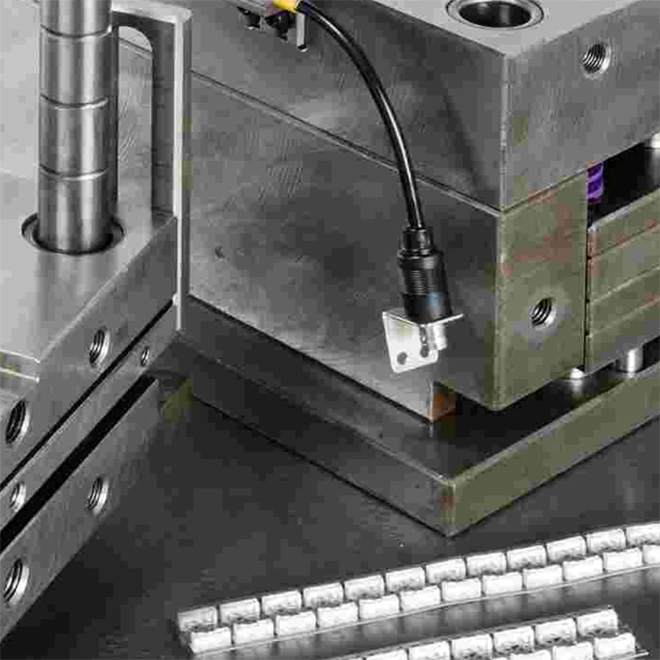
When launching a new plastic product, the injection mold is often the most significant upfront capital expenditure. For many founders and product managers, receiving a mold quote can be a confusing experience. Prices can range from a few thousand dollars for a simple prototype tool to well over $100,000 for high-volume production molds. Understanding the anatomy of a mold quote is essential for budgeting accurately, negotiating effectively, and making strategic decisions that balance upfront costs with long-term manufacturing efficiency. A mold quote is not an arbitrary number; it is a highly calculated reflection of engineering complexity, material science, and manufacturing labor.
The most significant driver of mold cost is the complexity of the part design. A simple, open-and-shut geometry requires minimal engineering and machining time. However, as soon as a design introduces internal undercuts, side holes, or complex threads, the mold must incorporate moving mechanical components such as slides, lifters, or unscrewing mechanisms. Each of these features requires precise CNC machining, electrical discharge machining (EDM), and meticulous assembly. Furthermore, strict dimensional tolerances demand higher-precision machining processes, which directly increase labor and machine-hour costs. Design changes made late in the process can also trigger costly rework, making early Design for Manufacturability (DFM) reviews a critical cost-saving measure.
The second major factor is the choice of mold materials and the expected production volume. Molds are typically categorized by their expected lifespan, which dictates the steel grade used. For prototyping or low-volume runs (e.g., under 10,000 parts), aluminum or softer pre-hardened steels like P20 are cost-effective choices that are faster to machine. Conversely, high-volume production requires hardened tool steels such as H13 or stainless steel (S136). These materials are more expensive and require additional heat treatment and polishing processes, but they can withstand millions of cycles without degrading. Choosing a high-grade steel for a low-volume product represents "design waste," while selecting a soft metal for mass production will result in premature mold failure and costly replacements.
Cavitation strategy and gating systems also play a pivotal role in determining the final price. A single-cavity mold is the most economical to build but produces only one part per cycle. Multi-cavity molds, which produce multiple identical parts per shot, significantly increase the upfront mold cost due to the larger mold base and additional machining. However, this higher capital expenditure is often justified in mass production because it drastically reduces the per-part cycle time and machine operating costs. Additionally, opting for a hot runner system instead of a traditional cold runner can add thousands of dollars to the initial quote, but it eliminates runner waste and reduces cycle times, offering a strong return on investment for high-volume manufacturing.
Finally, the quote encompasses essential ancillary costs that are sometimes overlooked. These include the engineering and design hours required to create the 3D models and mold flow analysis, as well as the costs associated with mold testing and validation. Trial runs require machine time, raw material, and engineering labor to fine-tune injection parameters and ensure the parts meet specifications. Packaging, logistics, and taxes also contribute to the final figure. By breaking down the quote into these distinct categories—design complexity, material selection, cavitation strategy, and ancillary services—brands can identify where their money is going and make informed trade-offs to optimize their manufacturing budget.