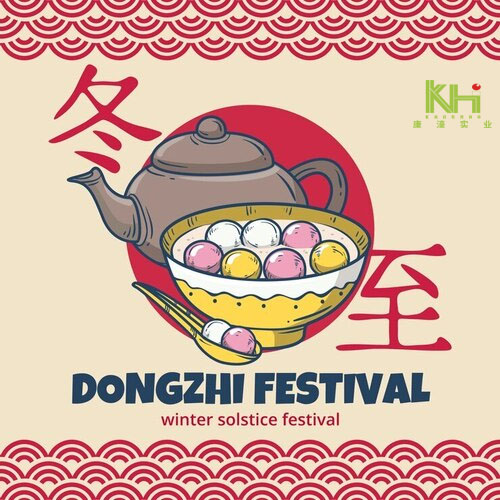
Happy Winter Solstice 2024
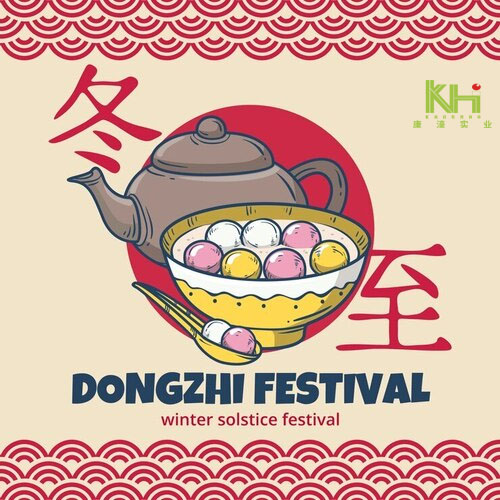
Happy Winter Solstice 2024
What is Dong Zhi?
In Chinese, the word "Dong" means "winter" while "Zhi" means "arrival" giving the literal meaning of the festival "the coming of winter". Dongzhi celebrates the winter solstice, usually around December 21 to 23, and is observed on the longest night of the year. Symbolizing the victory of light over darkness, Dongzhi, represents that the days will start to grow longer and bring a sense of balance and harmony to people's lives. Based on Chinese beliefs of yin yang, "Yang" represents positive energy, warmth, and light. Following the Dongzhi Festival, daytime will gradually lengthen, as "Yang" will also increase.[4] It was also believed by some that it was the day the Kitchen God went to heaven to report to the Jade Emperor the conduct of a family.[5]
The festival was first celebrated by the Chinese people during the Zhou Dynasty (1045 BC–256 BC) and declared an official celebration during the Han Dynasty (206 BC–220 BC). The Han people would take a break from work to celebrate with their families. They would hold heaven worshipping as well as honoring their ancestors by burning joss paper at their ancestral shrines to show gratitude.[6] In ancient times, the day was also known as the "festival of extreme length (simplified Chinese: 长至节; traditional Chinese: 長至節; pinyin: Cháng Zhì Jié) as the sun's extreme position lengthens shadows.[7]: 238 It was traditionally a very important holiday, comparable to Chinese New Year.[7]: 240–241