World Cleanup Day
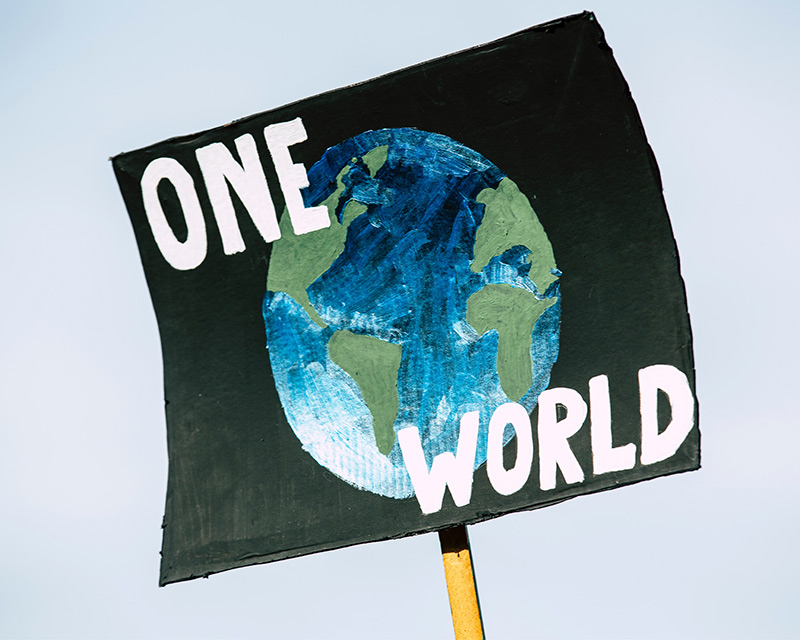
World Cleanup Day is the third weekend of September each year. It is a festival set up for the protection of the earth and aims to respond to the world’s terrestrial uncontrolled waste by influencing the changes in human behavior patterns. And the problem of marine debris.
The festival was initiated by Ian Keenan of Australia in 1989. After being supported by the United Nations Environment Programme (UNEP), World Cleanup Day was held for the first time in 1993. Since then, World Cleanup Day has become a global community event, with 35 million people participating in more than 130 countries every year.
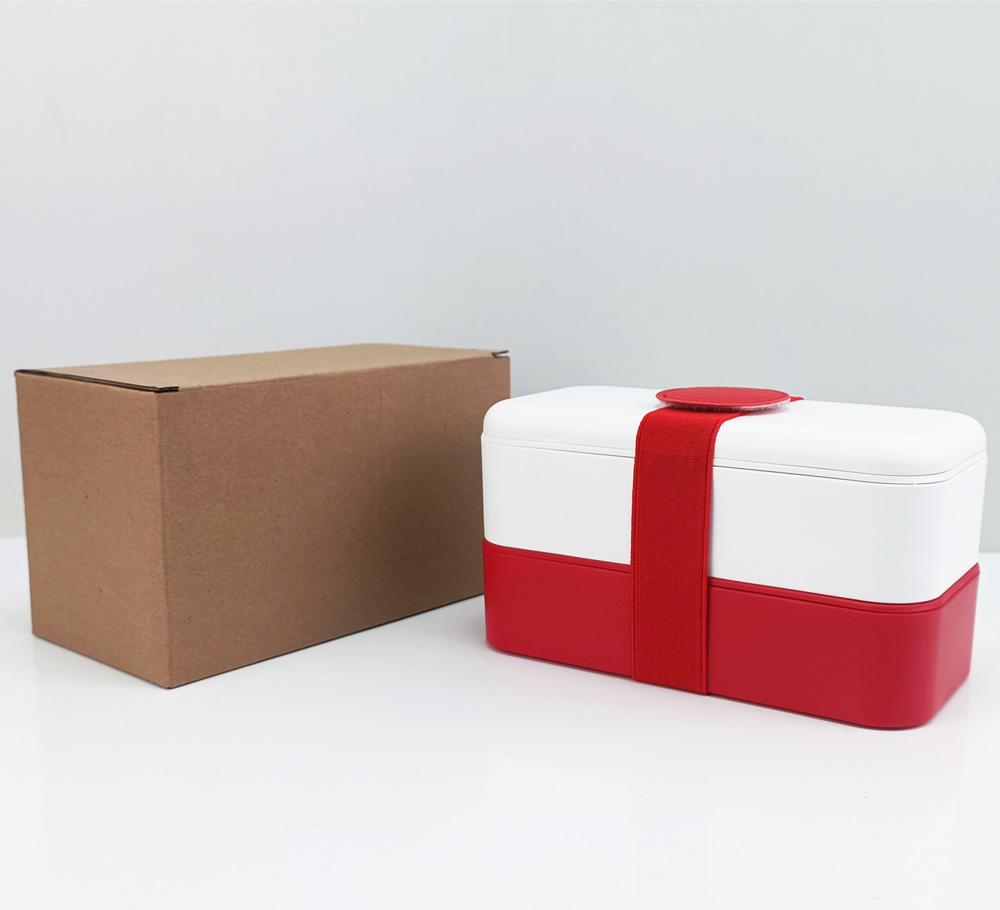
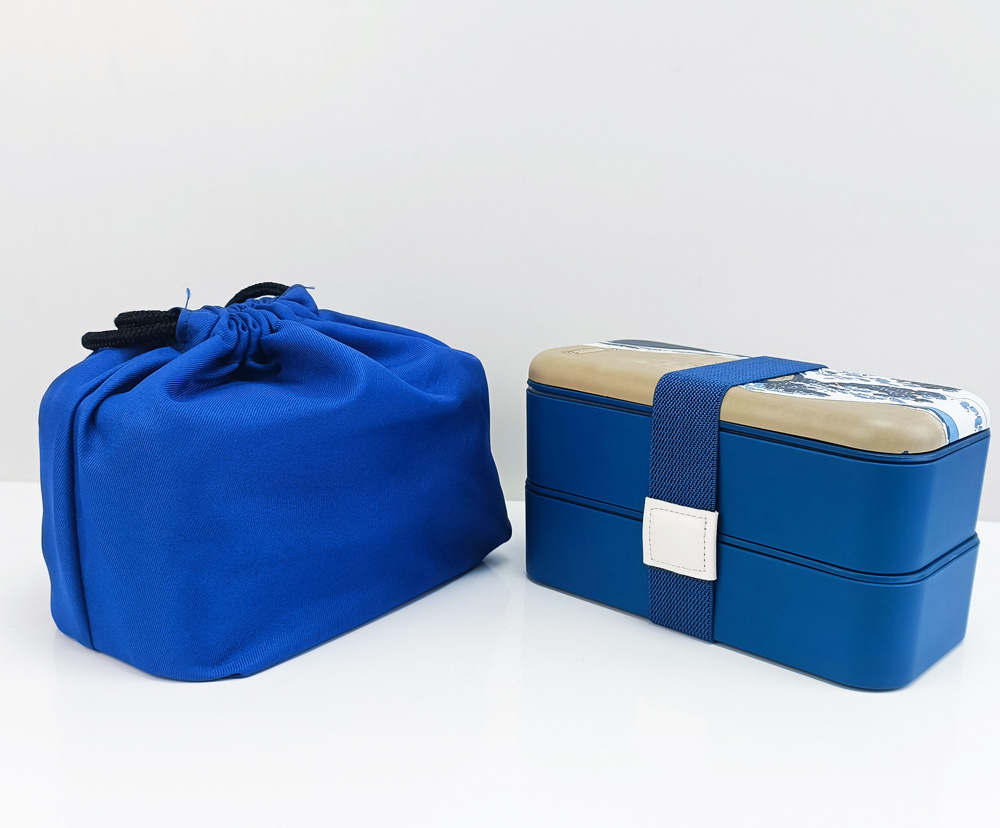
The earth is the home where people live together. With the development of industrialization, industrial waste and domestic garbage are increasing day by day, and the limited self-purification ability of the earth cannot withstand the increasing pressure. For example, our commonly used foam fast food lunch box, because it cannot decompose by itself, is a kind of "white pollution" that can never be eliminated for the earth. For another example, the daily use of gasoline, diesel and other fuels is also one of the culprits that pollute the earth's environment. The earth is the home where people live together. In order to keep the earth's homeland fresh and pleasant, everyone should start with me, avoid littering, reduce energy pollution, and maintain the cleanliness of the earth. This is the meaning of determining World Clean Earth Day.