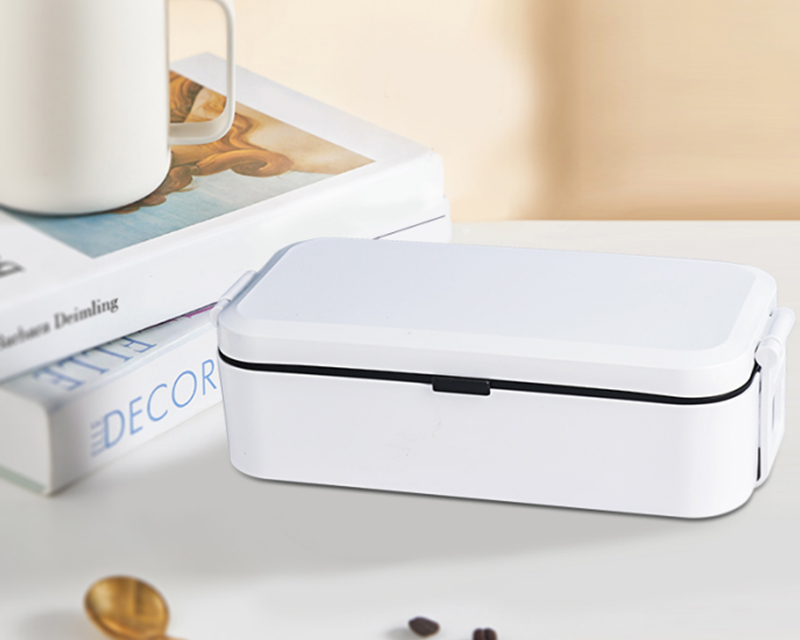
100% Biodegradable PLA Lunch Box
Polylactic acid (PLA) is a new type of bio-based and renewable biodegradable material, made from the starch raw materials proposed by renewable plant resources (such as corn, cassava, etc.). Starch raw materials are saccharified to obtain glucose, which is then fermented by glucose and certain strains to produce high-purity lactic acid, and then a certain molecular weight polylactic acid is synthesized by chemical synthesis. It has good biodegradability. After use, it can be completely degraded by microorganisms in nature under specific conditions, and finally generate carbon dioxide and water without polluting the environment. This is very beneficial to environmental protection. It is recognized as an environmentally friendly material. Polylactic acid is also It is called polylactide and belongs to the polyester family.
Discarded PLA products can be "buried" and degraded into water and carbon dioxide by natural microorganisms. This process takes only 6 to 12 months and is a truly environmentally friendly material.
At present, people are paying more and more attention to the protection of the environment, so products made from this completely degradable material are becoming more and more popular.
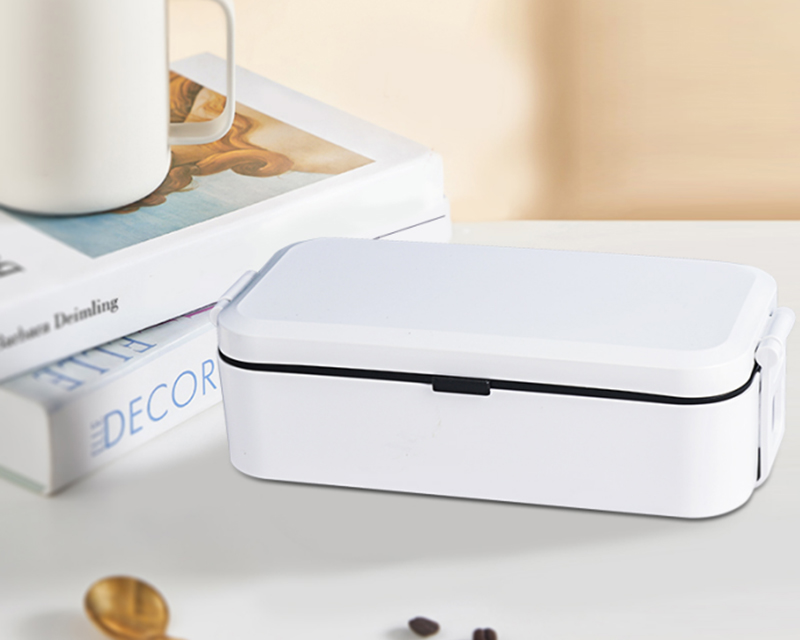
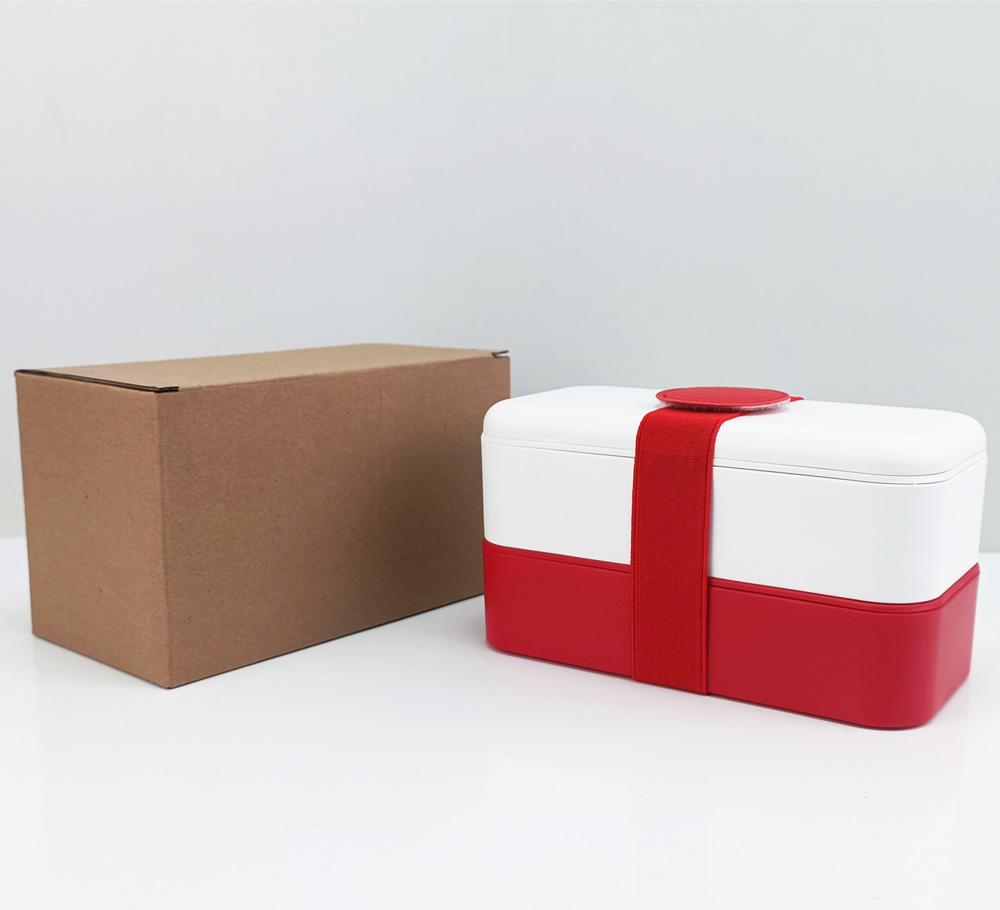
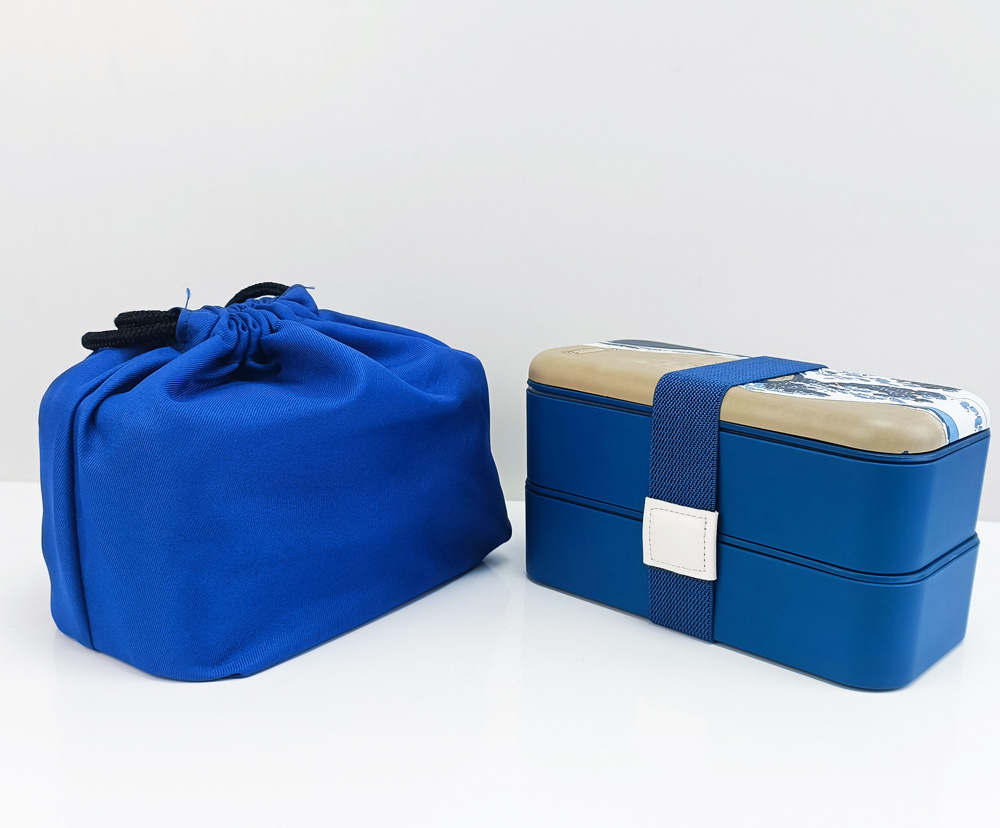
At present, our company has produced 100% biodegradable coffee cups and sold them in Korea and Europe. Now we have launched a new 100% biodegradable PLA lunch box. The exterior design is simple but practical.
Welcome to order with us.