Injection molding production steps
The first step is to prepare the plastic material. The new plastic raw materials purchased from outside will be imported through the mixer in an appropriate ratio.
The line is fully mixed and configured into plastic raw materials for production.
In the second step, the ingredients are colored. If the injection molded parts need to be colored according to the design requirements of the plastic product, by adding the corresponding colorant to the plastic raw material and mixing it evenly and fully with the raw material before injection molding, the plastic can be colored during the injection molding process to obtain colored Injection molded parts.
In the third step, the baking ingredients are dried. According to the requirements of the injection molding process, it is necessary to ensure that the plastic raw materials are fully dried and free of moisture. Therefore, the raw materials are dried by a dryer before injection molding.
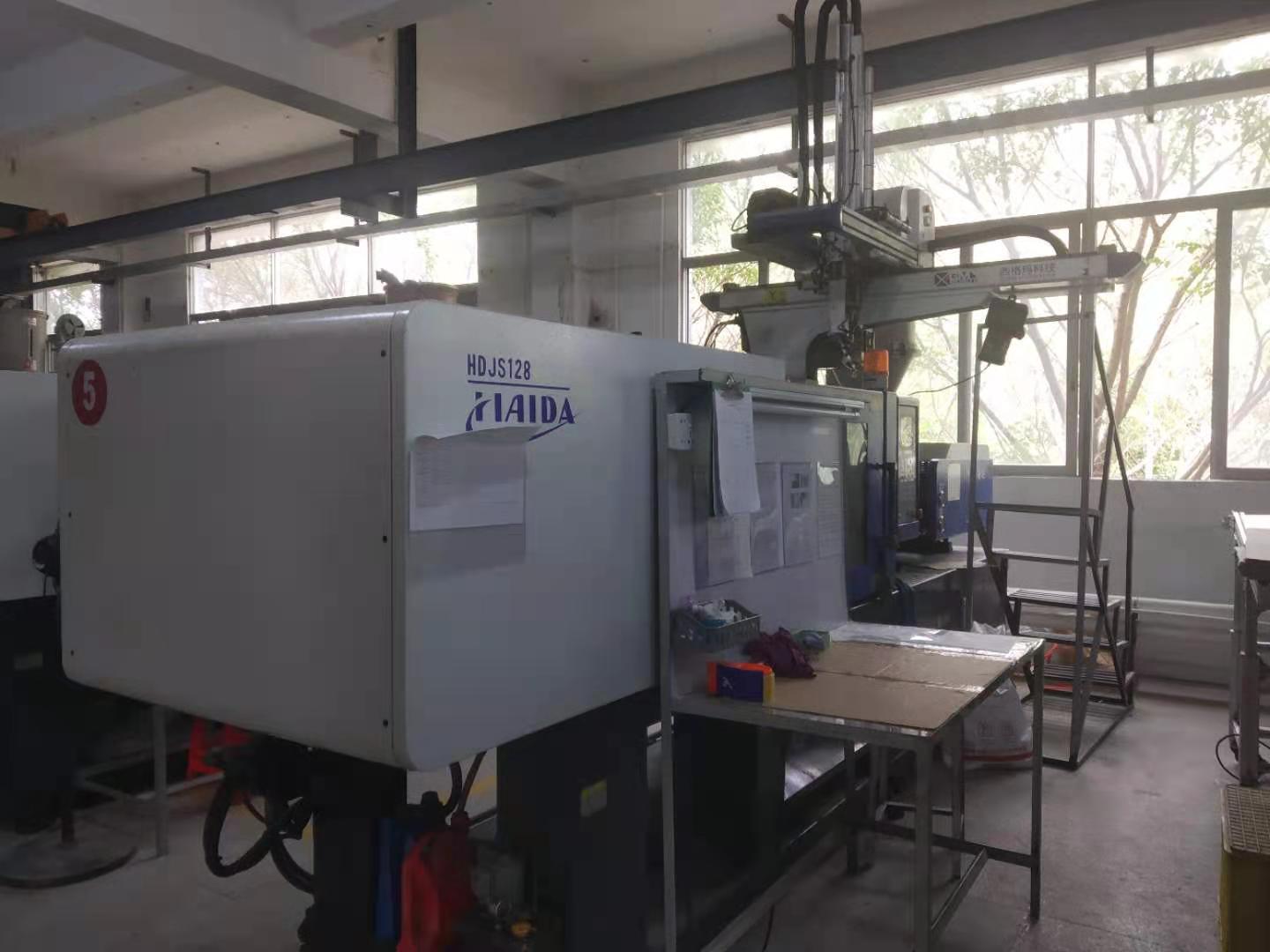
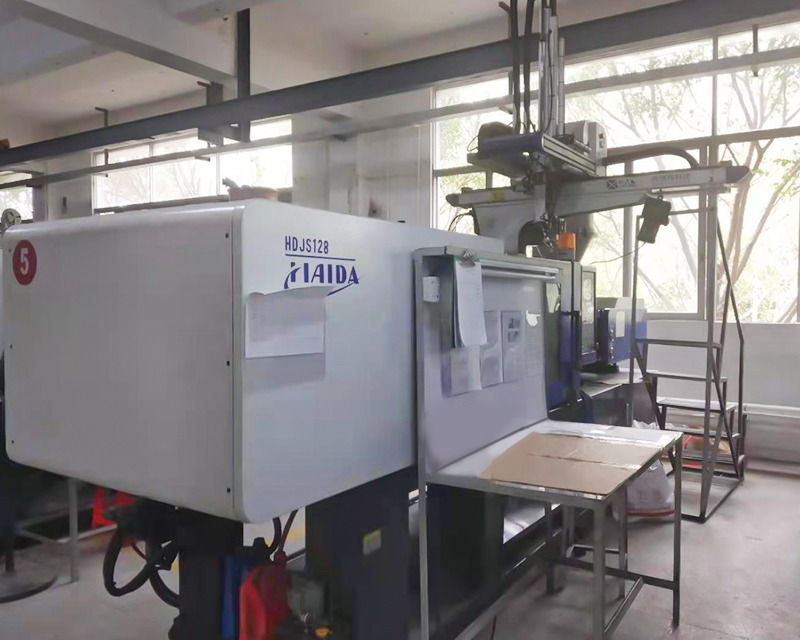
The fourth step is injection molding. After the pre-treatment of the plastic raw materials, the injection mold is used for processing and production in the injection molding machine. Before the molding process, the mold must be tested to check the quality of the mold and adjust the appropriate process parameters.
The fifth step is to go to the spout. After the injection molding process is completed, the nozzle material on the injection molded part must be removed. In the process of removing the nozzle, special care should be taken not to damage the injection molded part.
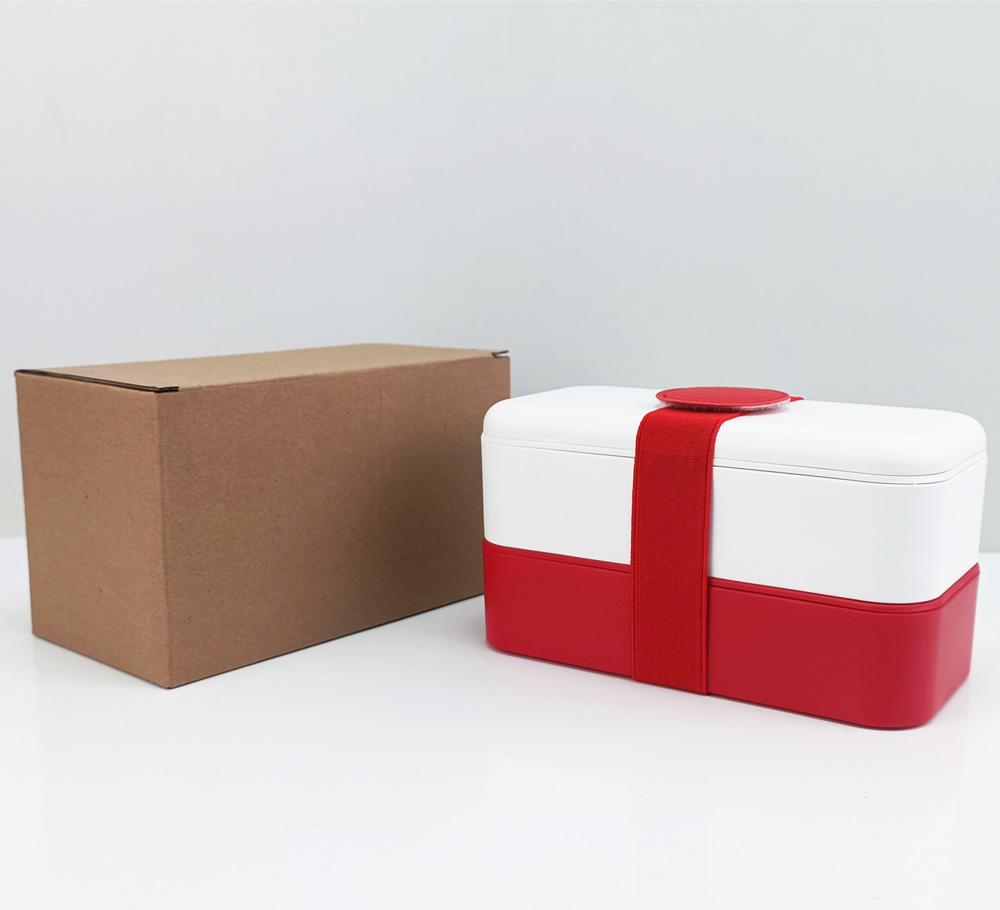
The sixth step, inspection and packaging. After removing the nozzle, the quality of the injection molded parts must be inspected, semi-finished products are packaged and boxed for qualified products, and ready to go to the next process; the unqualified products are collected and recycled.
The seventh step is to recycle waste. For products that produce spouts and unqualified products during the molding process, they should not be discarded at will, but should be recycled. After being crushed by a crusher, it can be mixed with new materials in a certain proportion and used in subsequent production. The actual injection molding production process can adopt two production modes, semi-automatic and fully automatic, while the manual mode is only used when debugging the machine.