Introduction and application of PLA materials
What is PLA ?
Polylactic acid (PLA) is a new type of bio-based and renewable biodegradable material,
made from the starch raw materials proposed by renewable plant resources (such as
corn, cassava, etc.). Starch raw materials are saccharified to obtain glucose, which is
then fermented by glucose and certain strains to produce high-purity lactic acid and
then a certain molecular weight polylactic acid is synthesized by chemical synthesis. It
has good biodegradability. It can be completely degraded by microorganisms in nature
under specific conditions after use and finally generate carbon dioxide and water
without polluting the environment. This is very good for protecting the environment.It
is recognized as an environmentally friendly material. Polylactic acid is also Known as
polylactide (polylactide), belongs to the polyester family
Where does the PLA comes from?
Polylactic acid is a polymer obtained by polymerization of lactic acid as the main raw
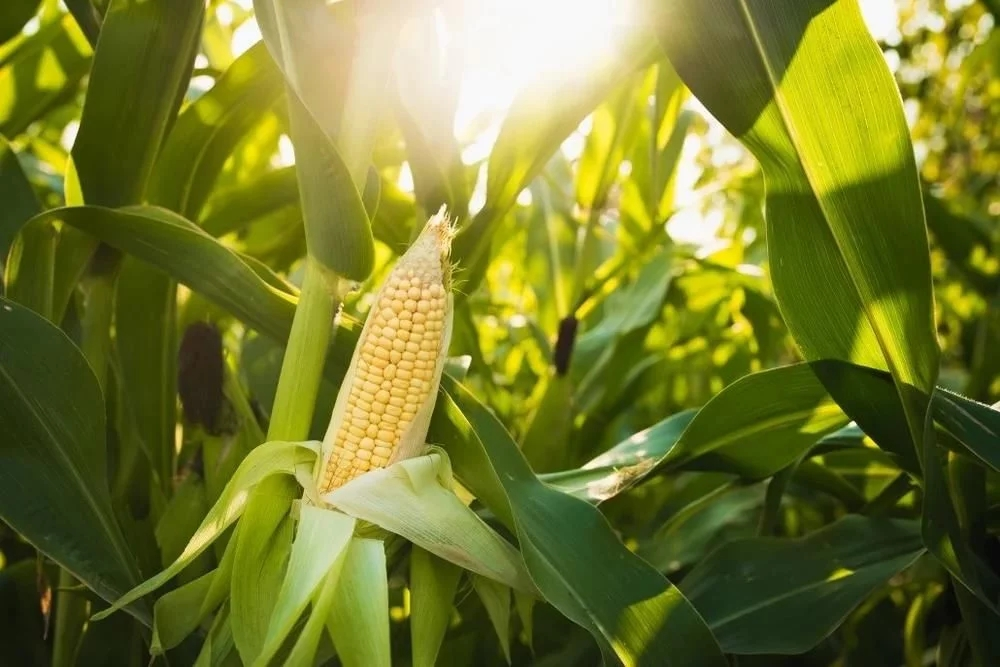
material. The raw material source is sufficient and renewable. It mainly uses corn,
cassava, etc. as raw materials. Starch raw materials are saccharified to obtain glucose,
which is then fermented by glucose and certain strains to produce high-purity lactic
acid, and then a certain molecular weight polylactic acid is synthesized by chemical
synthesis. The production process of polylactic acid is pollution-free, and the product
can be biodegraded to realize the circulation in nature, so it is an ideal green polymer
material.
The Features of PAL
Polylactic acid has good thermal stability, the processing temperature is 170~230℃
and it has good solvent resistance. It can be processed in a variety of ways, such as
extrusion, spinning, biaxial stretching, and injection blow molding. In addition to being
biodegradable, products made of polylactic acid have good biocompatibility, gloss,
transparency, hand feel and heat resistance, and also have a certain degree of bacteria
resistance, flame retardancy and UV resistance.
1. Sufficient source of raw materials The raw material for the production of polylactic
acid is corn and other renewable resources, without the use of precious natural
resources such as oil and wood. Therefore, it will play a very protective role for the
depleted oil resources, and it will be increasingly tight for oil. China also has unique
strategic significance.
2. Low energy consumption In the production process of polylactic acid, the energy
consumption used by it is significantly lower than that of PET, PA, PAN and other
petroleum-based resins, which is only 20-50% of the latter.
3. Biodegradability The biggest feature of polylactic acid is its superior biodegradability.
After being discarded, it can be decomposed into lactic acid in nature, and finally
hydrolyzed into carbon dioxide and water. Through the photosynthesis of plants, carbon
dioxide and water can be turned into starch, which circulates in nature and forms an
ecological balance. Replacing ordinary plastics with polylactic acid can solve the white
pollution problem that plagues the world today.
4. Superior physical properties Polylactic acid has superior physical properties. It has the highest
melting point among all biodegradable polymers, and has large crystallinity and transparency. It is
suitable for various processing methods such as blow molding, thermoplastics, and wire drawing.
It can be processed Form polylactic acid film, polylactic acid fiber, etc. The physical properties of
polylactic acid fiber are between polyester (PET fiber) and nylon, but it has a low melting point,
has a good hand feel, and its dyeability, moisture absorption, and wrinkle resistance are better
than polyester. Therefore, it is also a rational raw material for making clothing.
5. Biocompatibility Polylactic acid also has excellent biocompatibility. Its degradation product, L-
lactic acid, can participate in human metabolism. It has been approved by the U.S. Food and Drug
Administration (FDA) and can be used for medical surgical sutures and injections. Capsules,
microspheres and implants, etc.
6 .Compared with traditional petroleum-based plastics, PLA is safer, low-carbon and green.
The monomers of traditional plastics are either toxic substances or carcinogens, while the
monomeric lactic acid of PLA is a widely used food additive, which finally turns into glucose
after glycolysis in the body. During the production and use of PLA products, no toxic and
harmful substances will be added or produced.
Although the PLA material is very powerful, it also has its weaknesses: poor heat resistance
and hydrolysis resistance, which imposes many restrictions on the use of PLA products.
Therefore, in actual production, material modification and special in-mold crystallization
process are required to meet the requirements.
Polylactic acid contains a large number of ester bonds, and has poor blending properties
with most other plastics
The price is higher than traditional plastic.
How PLA is degraded?
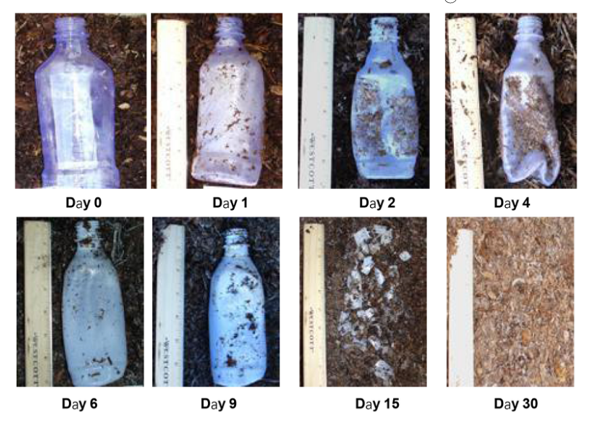
Discarded PLA products can be "buried" and degraded into water and carbon dioxide
by natural microorganisms. This process takes only 6 to 12 months and is a truly
environmentally friendly material.
Application of PLA
1. Application in clinical orthopedics Because biodegradable polyester can be
degraded in the body without secondary surgery, it is widely used as an internal
fixation material in clinical orthopedics.
Surgical sutures are made of biodegradable polyester sutures, no secondary sutures
are required after surgery, and they have good compatibility with the body and are
degradable.
The strength and toughness of stainless steel as a fracture fixation material are greater
than that of human bone, and its mechanical properties cannot change dynamically
with the bone healing process. Stress shielding appears in medicine, which leads to
fracture osteoporosis and bone degeneration.
2. In industry and agriculture, polylactic acid (PLA) materials with good toughness
characteristics are used to make buildings and ropes, paper, plastic films, etc.; fishing
gear, fishing gear, seaweed breeding nets, fishing lines, etc.; polylactic acid can also be
used as soil moisture and desert greening Materials, fertilizers, slow-release materials,
etc.
3. Polylactic acid can also be used as a substitute for paper, paper, plastic film,
packaging film, food containers, household garbage bags, cosmetic ingredients, etc.
Use ordinary plastic injection mold equipment to process various tableware such as
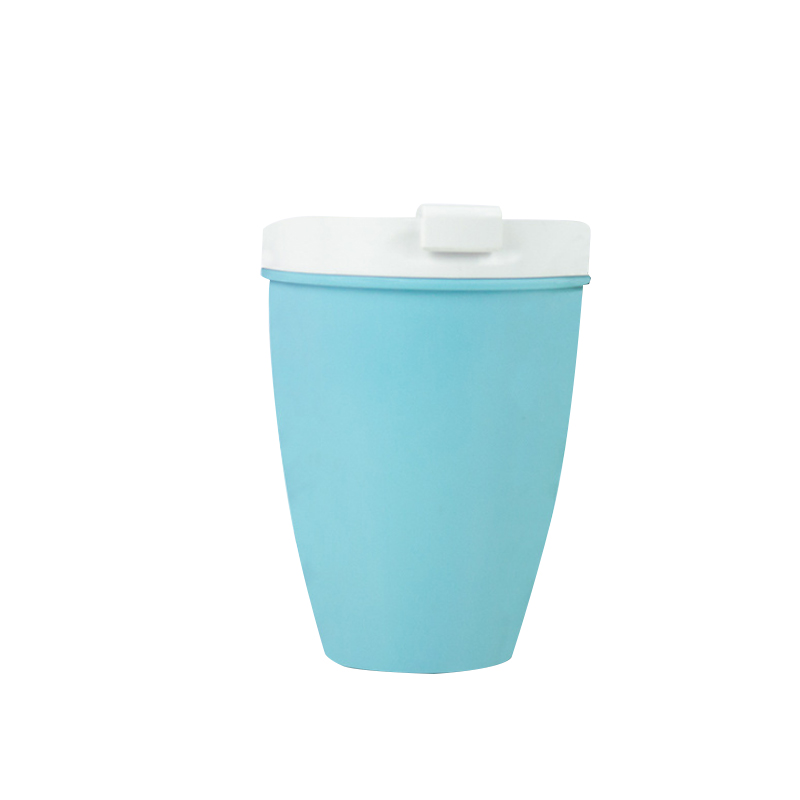
cups and saucers, bowls, chopsticks, basins and other daily necessities. This is the
application of our industry as long as the processing technology is proper and the
material modification technology meets the requirements. The physical properties of
its products and other plastics in the short term are not much different