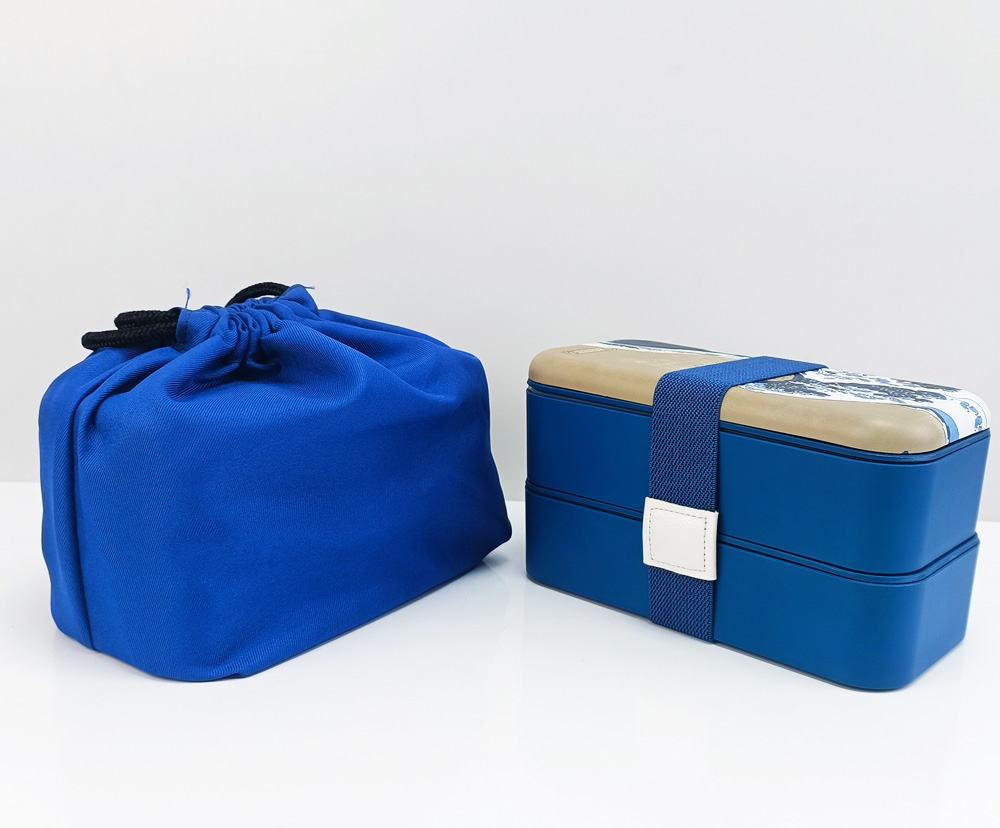
Environmental protection policies are becoming stricter and eco-friendly lunch boxes are becoming more and more popular
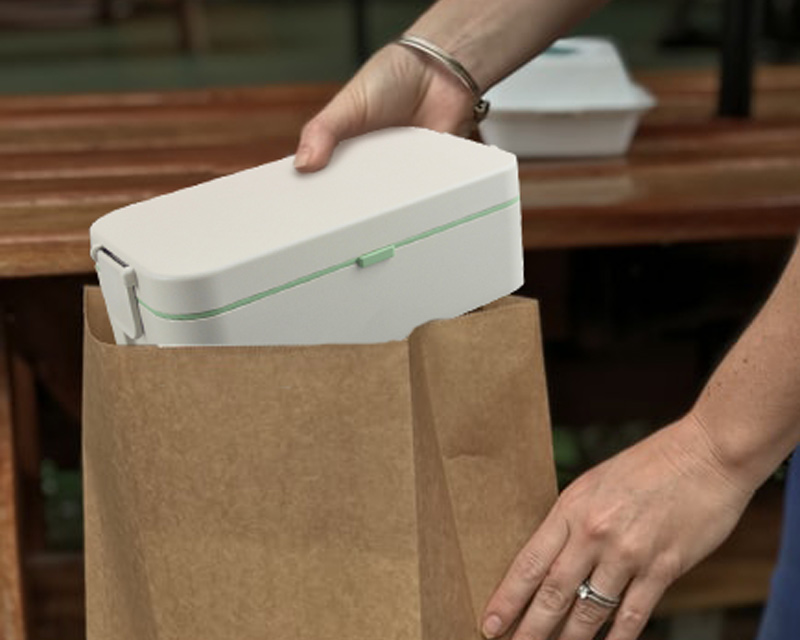
Take-out is a common phenomenon that people solve three meals a day in today's fast-paced life. This is undoubtedly the gospel of lazy people. With the popularity of take-out, the demand for lunch boxes is also increasing.
According to statistics, disposable plastic lunch boxes bring countless conveniences and also pollute the environment. According to statistics, my country consumed 19.8 billion disposable plastic lunch boxes in 2017. In 2019, the consumption of disposable plastic lunch boxes exceeded 40 billion, consuming more than 100 million daily on average. These plastic lunch boxes cannot be degraded and are difficult to recycle. Under today's environmental protection policies, finding another way out is the right answer.
Compared with the foam lunch box of the previous generation, the pollution caused by the plastic lunch box is actually the same. The consequence of one-time use is to throw away. With such a huge demand in the lunch box industry today, disposable plastic lunch boxes cannot be degraded, and are thrown away when used up, and are difficult to handle. Therefore, the trend of environmental protection in recent years , The degradable lunch box is also the birth of the environmentally friendly lunch box.
Currently on the market, this kind of environmentally friendly lunch box that can be bought is made of plant fibers, such as bamboo, rice husk, bagasse and other plant fibers as raw materials, mainly through molding, drying, shaping, disinfection and other post-processing. become. These plant fibers are waste materials of agricultural products and are natural, which enables comprehensive utilization of agricultural resources, and there is no need to worry about the source of raw materials.
On the flights of foreign airlines, this kind of meal box is already very common; it can be seen that although it has not been used in the takeaway field, other meal scenarios that require ordering have been put into use. It is conceivable that it has begun to be widely used internationally, and my country's large-scale application is not far away.
Our company is specialized in the production of environmentally friendly lunch boxes. If necessary, please consult us.