Under the plastic ban, an alternative solution to disposable plastic products
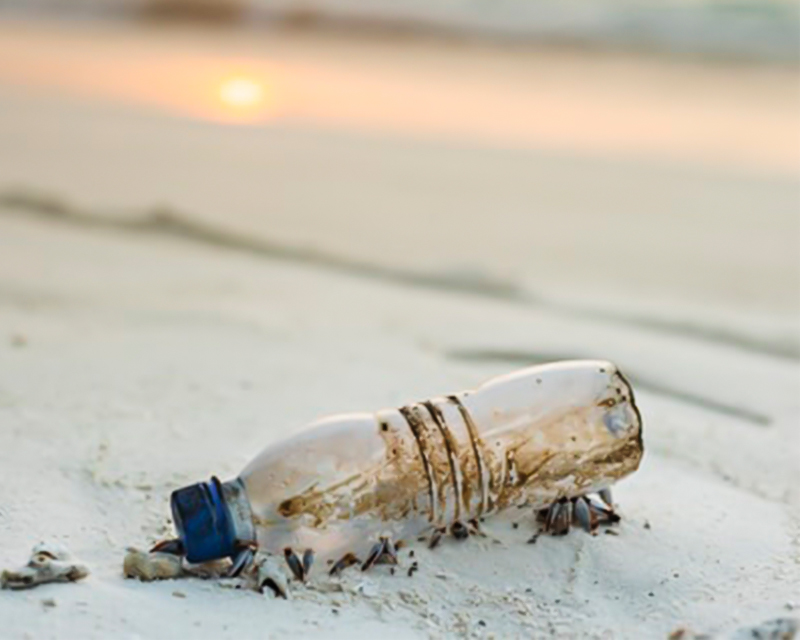
Disposable plastic products can be seen everywhere in life are about to withdraw from the stage of history? This seemingly impossible scene is now being staged in countries such as the European Union.
Beginning on July 3, 2021, the EU’s "Most Prohibited Plastic Order" has officially landed.
All disposable plastic products that can be produced from cardboard and other alternative materials will be banned from production, purchase, and import and export; and domestic plastic restrictions have also continued. Upgrade, disposable non-degradable plastic straws and non-degradable plastic packaging are also expressly banned.
Under the increasingly strong ‘plastic ban’ measures, food service industries that rely heavily on single-use plastics, such as restaurants, supermarkets, and hotels, have been hit hard. When there are no disposable plastic products, what else can we use? Countries that attach importance to sustainable development are exploring and practicing alternatives to disposable plastic products.
The University of London has created another "circulatory system".
They published a 30-page "reusable'operation' guide", encouraging students and faculty to use washable and reusable cups if they choose For disposable cups, you can charge them extra.
Use glass instead of disposable plastic
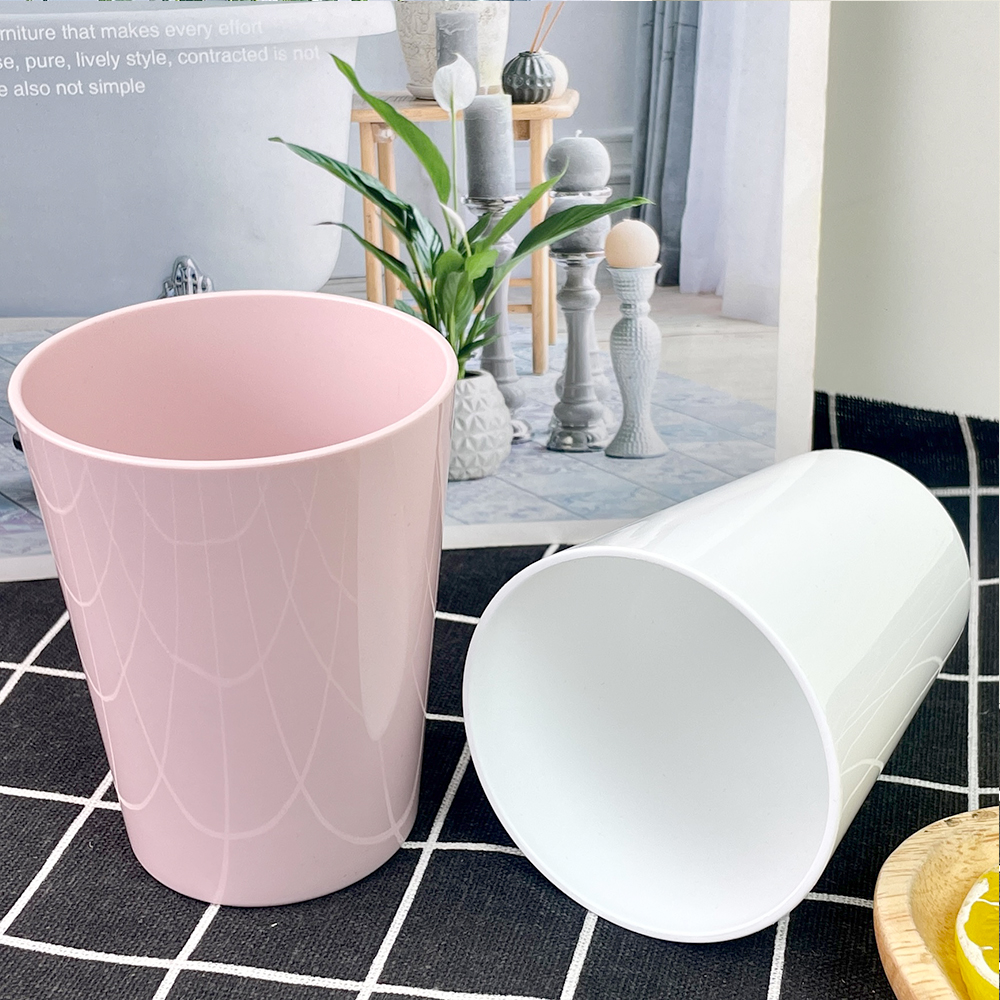
The world’s largest travel company, the International Travel Alliance Group (Tui Group: owns travel agencies, hotels, airlines, cruise ships, and retail stores), has launched a "hotel plastic reduction guide". They recommend the use of glass water bottles in meeting rooms, Glass cups and drinking fountains replace plastic bottles. In guest rooms, hard plastic cups and glasses can be used instead of disposable plastic cups.
Sustainability exploration requires immediate action. Are you ready?