How to distinguish wheat straw tableware and ordinary plastic tableware
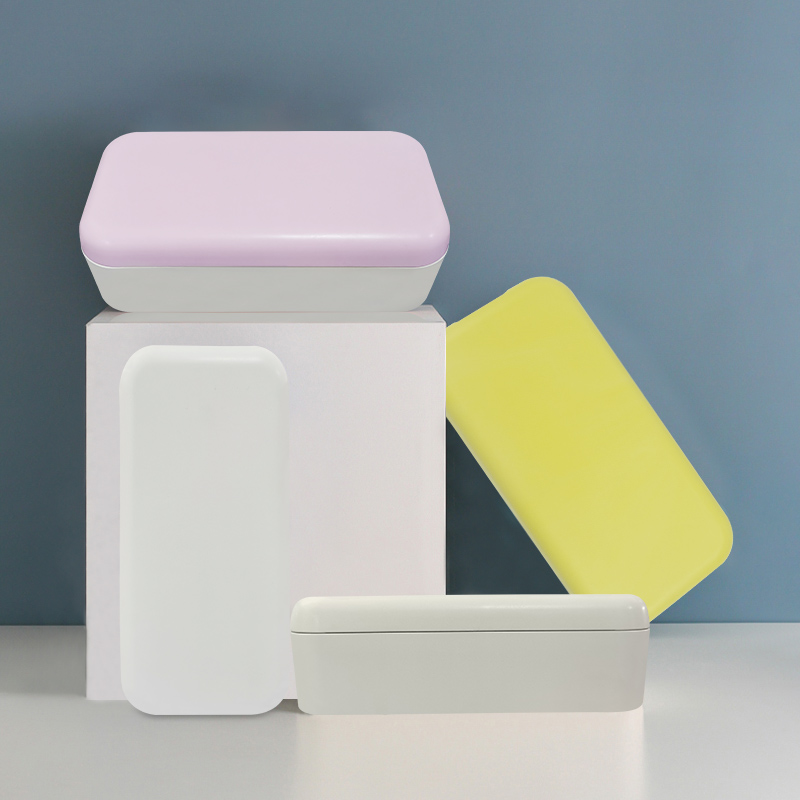
How to distinguish wheat straw tableware
and ordinary plastic tableware
How to identify:
1. Hardness:
Tableware made of wheat straw is harder, hard in texture, not easy to deform,
and can be recycled many times. Tableware made of ordinary plastics has low
hardness and soft texture. The user will deform with a little force, and the
number of times of use is limited.

2. Heating:
Tableware made of ordinary plastic burns to produce unpleasant gas. This gas is
toxic and harmful to the human body. High temperature environments can also
cause plastics to decompose toxic components. Wheat straw fiber is a natural
ingredient, does not contain harmful substances, and will not produce toxins in
high temperature environments.
3. Appearance: The
tableware made of wheat straw is meticulous in workmanship, very beautiful, and
generally brown. Tableware made of ordinary plastic is generally white in rough
workmanship.
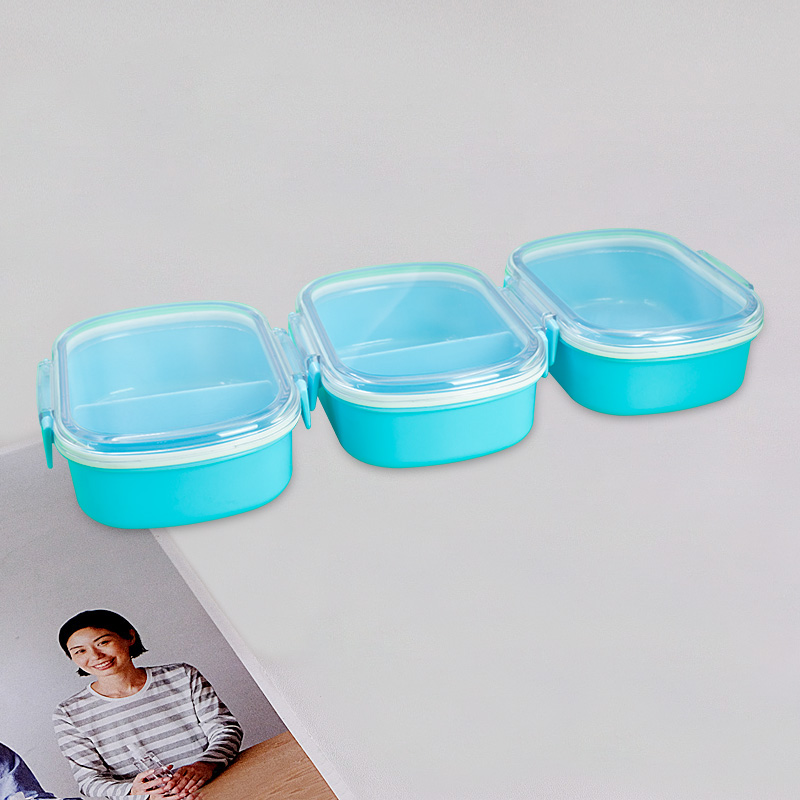
4. Smell the
taste, put the two kinds of tableware in bai into a container with boiling
water. Generally, the wheat straw made of wheat straw does not have a pungent
odor, and there will be a faint smell of plants, even if the heat is repeated
many times. Water cleaning and disinfection also has no pungent plastic smell.
5. Burn it.
Generally, tableware made of pure plastic materials will be very pungent and
unpleasant after being burned, and wheat straw can also be burned, but the
taste is not so unpleasant.
6. Beat hard.
Generally, pure plastic tableware is very tough and strong. But wheat stalk
materials are not so tough, and they can be easily broken under strong beating.
7. Utilization
rate. Utilization rate of tableware made of real pure straw is very low, and
some are even disposable. At present, the straw tableware that is repeatedly
used on the market is made by adding some stereotyped chemical additives to the
straw and physically stereotyped.
Wheat straw piles
are not easy to handle in the field. Burning will pollute the environment. If
they can be processed into products, it will not only realize resource
utilization, but also reduce environmental pollution. The production technology
of wheat straw tableware is that piles of wheat straw are shredded, decomposed,
pulped, shaped, trimmed and other processes are made into stacks of various
disposable lunch boxes.
The main
components of wheat straw are cellulose, hemicellulose, lignin, polyuronic
acid, protein and minerals. Among them, the content of cellulose, hemicellulose
and lignin is as high as 35% to 40%. The active ingredients are cellulose and
hemicellulose.
Features of wheat
straw tableware:
1. High
temperature resistance, low cost, degradable, good toughness, and no heavy
metals, it is a good environmentally friendly product.
2. Wheat straw or
starch and other raw materials, if you want to make tableware directly, you
need to add some fusion agents, most of the fusion agents are PP
(polypropylene) or PET (, so that the product can be formed after adding. Some
substances will be added to ensure the normal use of the product.
3. The level of
additives must be food grade as required by the state.