

The reincarnation journey of coffee grounds: Coffee ground smug, remade into containers, and added to cosmetics
Many people drink a cup of coffee every morning, but besides putting it in the refrigerator to deodorize the remaining coffee grounds after brewing, are there any other opportunities to reuse them? Many researchers are optimistic about the prospects of discarded coffee grounds and have been studying them for many years. How will they reincarnate coffee grounds?
When you walk into a Starbucks store in the United States, you will always see a black bucket in the corner, containing bags of packaged coffee grounds for free use. The bucket says: "Coffee grounds have many uses. They can be composted, repel pests, body scrubs, and are natural fertilizers for the garden!" The functions of coffee grounds are clear at a glance. In fact, coffee grounds are more useful than just that.
We will share you what is coffee grounds mug?
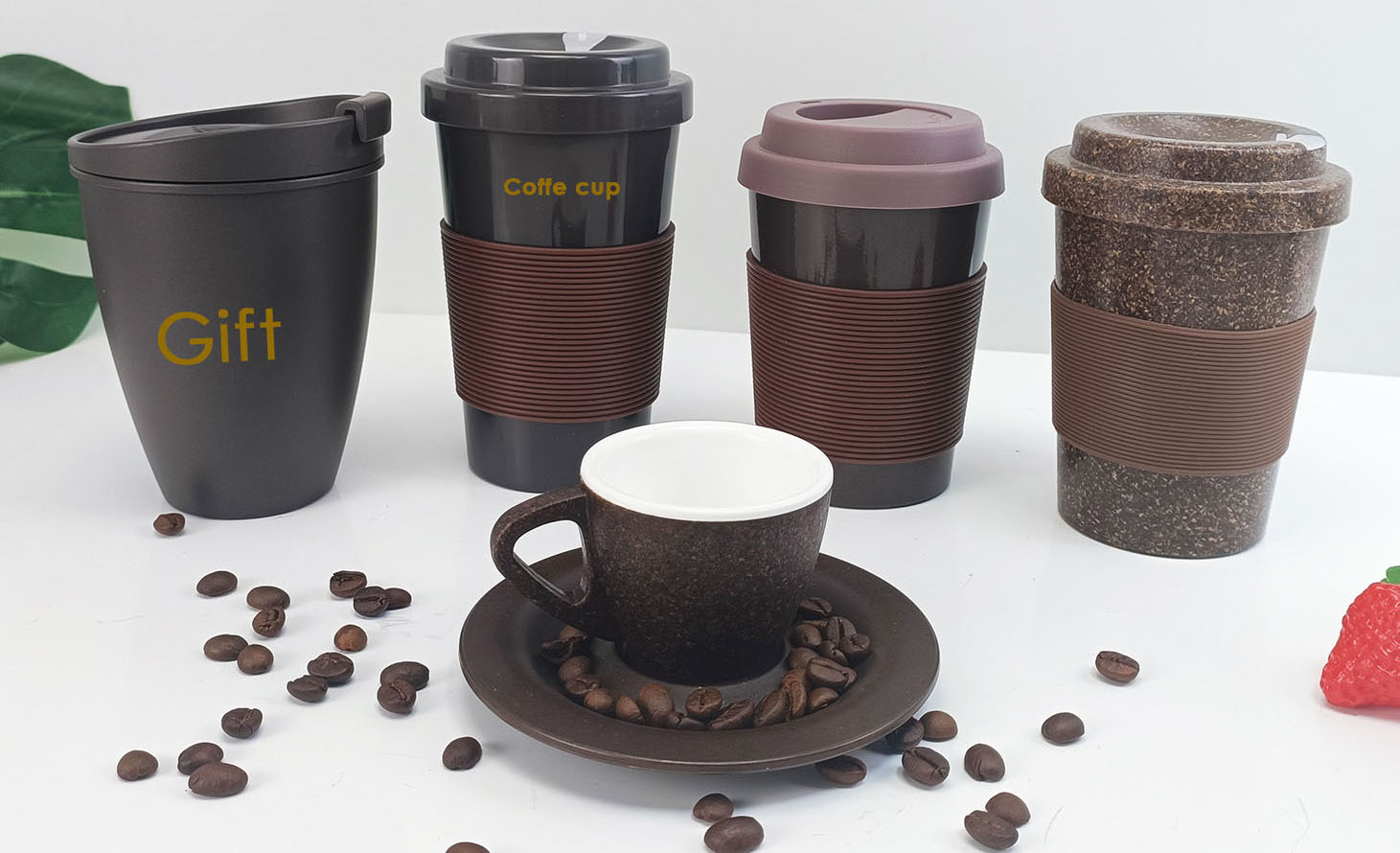
offee grounds are common waste in daily life, but their destination is not just in landfills. In recent years, under the research of experts in various fields, they have become more and more widely used.
One of the high-profile new applications is to replace part of the sand in concrete. Miraculously, research has found that adding coffee grounds to a new formula can increase the strength of concrete by nearly 30% and 70% bio-degradable PLA.
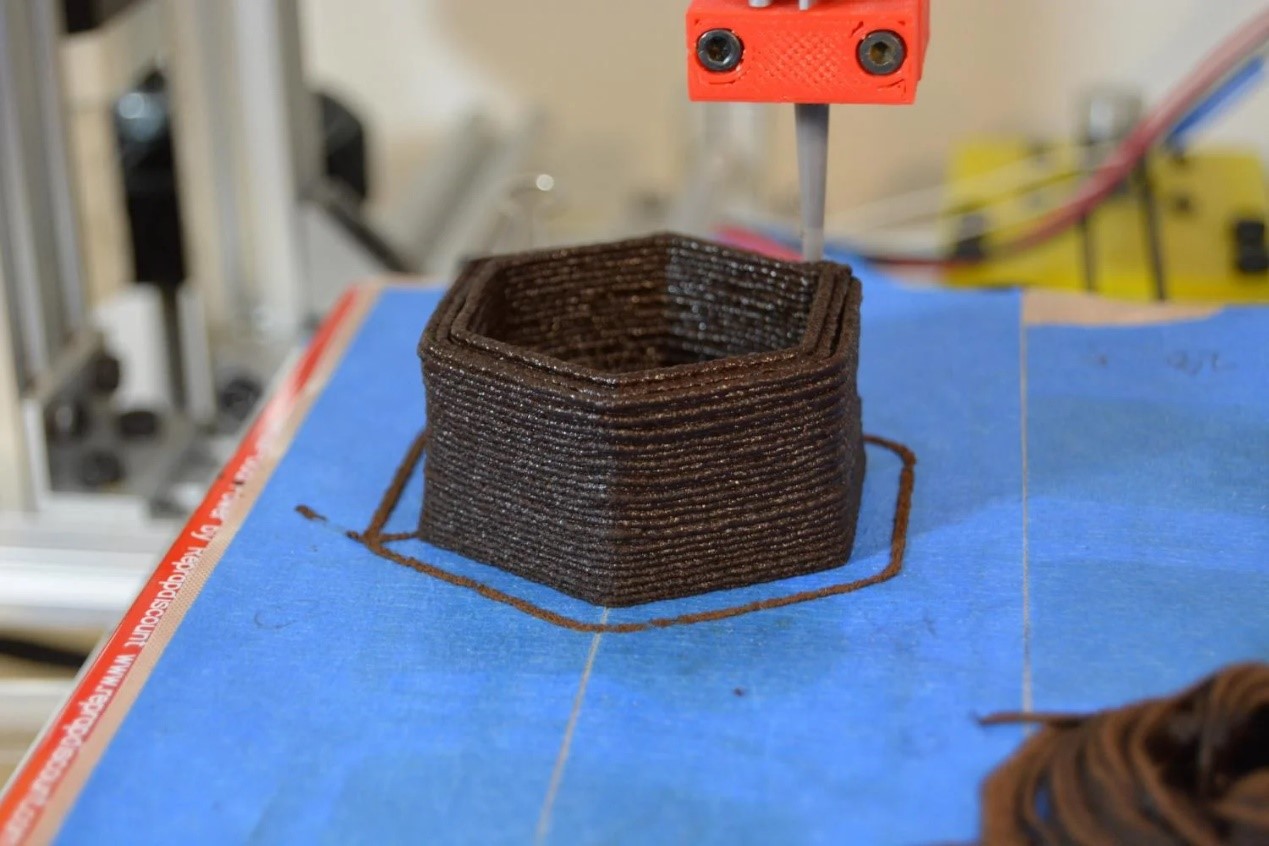
Another latest application of coffee grounds is as a raw material for 3D printing.
Since the advent of the first 3D printer in 1981, the rapidly popularizing 3D printing has become an important equipment in diverse industries such as manufacturing, design, architecture, art, and medical care. The most commonly used raw material for 3D printing is polylactic acid (PLA). However, when PLA enters landfills, it takes up to 1,000 years to decompose.
Solving the problem of waste pollution must start from the source. Michael Rivera, an assistant professor of computer science at the University of Colorado Boulder, had an idea of readily available coffee grounds.
“When you brew a cup of coffee, you only get 20% of the ingredients in the coffee beans, and the remaining 80% are discarded coffee grounds,” Rivera said. If coffee grounds can be used as 3D printing materials, it will not only reduce the number of Plastic waste can also give coffee grounds another life.
So, after many experiments, he and his colleagues finally formulated a sticky paste that combined coffee grounds, cellulose powder, xanthan gum and water. After drying, the 3D printing material has a hardness similar to unreinforced concrete and easily decomposes naturally in compost. The team has used this raw material in a modified 3D printer and has successfully produced flower pots, disposable espresso cups and other products. And because of the biodegradable properties of coffee grounds, this "flower pot" can be planted in the soil along with the tomato seedlings, flower seedlings or vegetable seedlings inside.
"Using coffee grounds makes the 3D printing process more sustainable," Rivera said. If the 3D printed prototype fails or is no longer needed, it can be reused by simply putting it back into the coffee grinder and crushing it. .