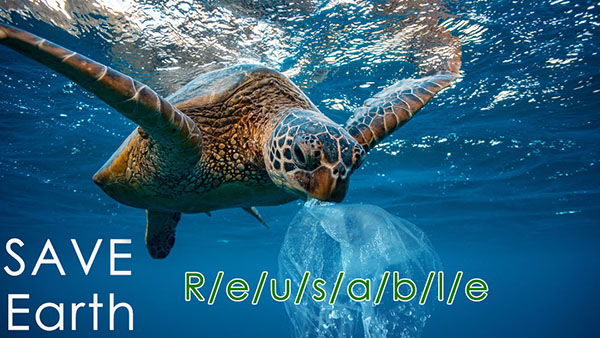
As the latest round of UN negotiation on a global agreement to curb plastic pollution begins today, the world is in the grip of a crisis that is wreaking havoc on our planet and oceans. While plastic pollution is a global issue, Southeast Asia faces a particularly dire situation. If the amount of single-use plastic bottles and cups that were used globally in 2022 were stacked on top of one another, the tower of such packaging would reach all the way to the sun and back. This is an unfathomable amount of plastic waste, and it is increasing every year. We cannot address this problem by replacing this tower of plastic with other single-use packaging material, nor even plastic that has recycled content. Recycling – the strategy currently being touted by beverage companies as their leading solution to plastic pollution – isn’t enough. Most of this waste is not being recycled – it is being thrown into landfills, incinerated or littered. And increasing the recycled content of a plastic bottle or cup doesn’t reduce the chance that the bottle or cup will find its way into the ocean. But there is a ray of hope: refillables. We need to replace this plastic tower with reusable packaging. Refillable glass bottles can be used up to 50 times, reusable polypropylene cups over 100 times. This means that every refillable bottle eliminates the need for up to 50 single-use plastic bottles. You don’t even need to do the maths to understand how significant an impact this can have in reducing plastic waste, but Oceana did. Just a 10-percentage point increase in reusable beverage packaging by 2030 can eliminate over 1 trillion single-use plastic bottles and cups. These aren’t new systems that we need to invent. The two largest soft drink companies in the world – The Coca-Cola Company and PepsiCo – already have refillable bottle systems working at scale in many countries. In the Philippines, for example, up to 50 per cent of all the beverages sold by Coca-Cola are in reusable glass bottles, and the Philippines is ranked No 23 in the world in terms of the volume of packaged beverages sold. These aren’t small-scale systems. To tackle ocean plastic pollution, beverage and bottling companies need to expand these systems, and they need to prioritise reuse as the best strategy for reducing plastic waste.