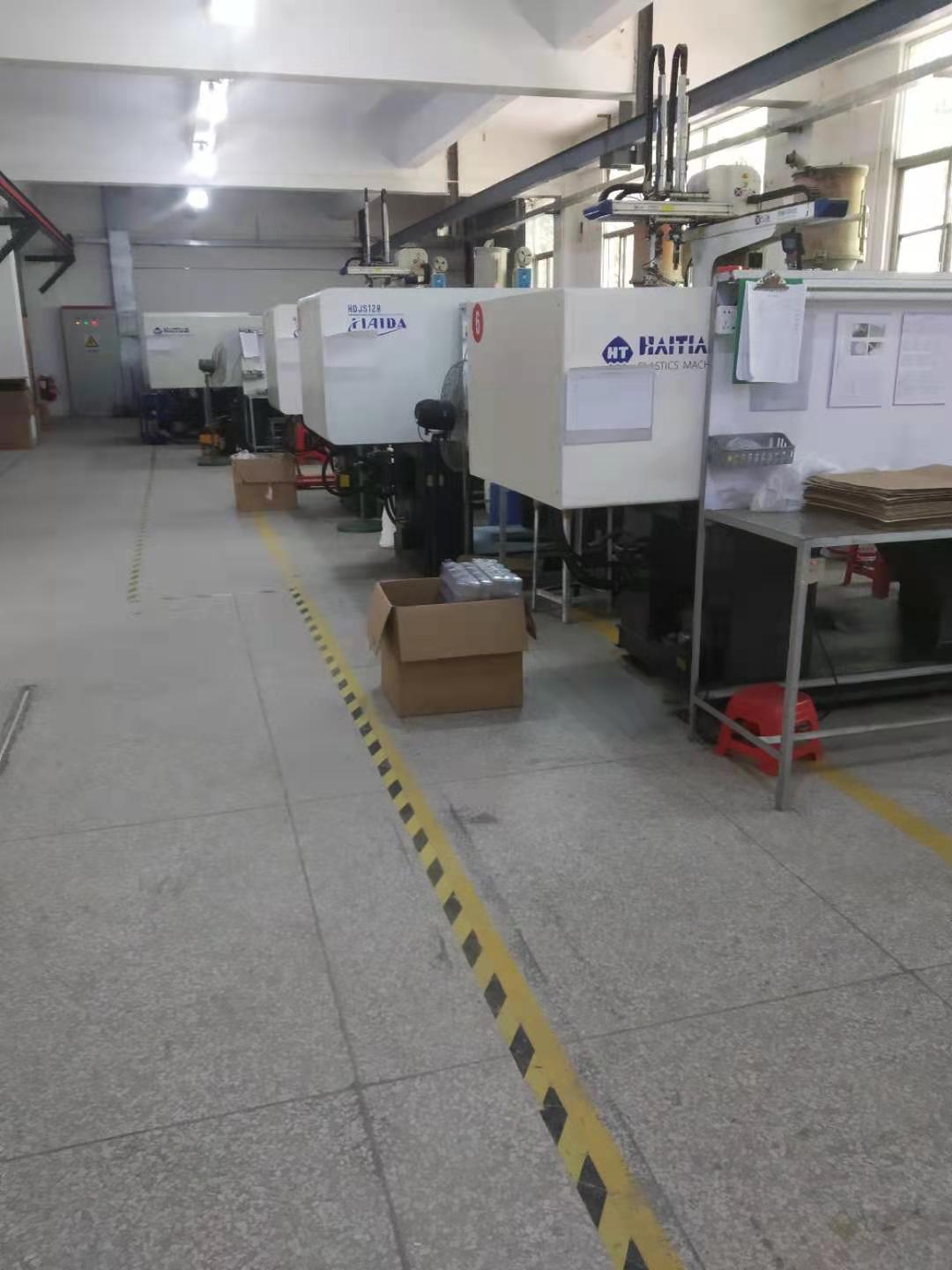
The manufacturing process of plastic parts requires plastic molding and processing into various plastic semi-finished products or parts according to needs. Injection molding is one of the main molding methods for plastic parts.Injection molding must be completed with the help of molding equipment such as injection molding machines and injection molds.Let us introduce to you the actual content and problems that are often involved in the manufacturing process of plastic products.
In the manufacturing process of plastic products, the molding of plastic parts is one of the most important contents. Plastic molding is the process of making various shapes (powders, pellets, melts and dispersions) of plastics into products or defective parts in the desired shape. The molding of plastic parts is based on three major molding processes: injection molding, extrusion molding and calendering, and injection molding is the most common process in the manufacture of plastic products.
The so-called injection molding (injection molding) refers to the injection of heated and melted materials into the mold. After cooling and solidification, the molding is obtained. The specific process is to feed granular or powdered plastic from the hopper of the injection molding machine into the heated barrel. It is heated and plasticized into a molten state, pressurized by the screw, and injected into the low-temperature, closed mold cavity through the nozzle at the end of the barrel. After cooling and hardening, it maintains the shape given by the cavity. After the mold is opened, the colloid is completed. Working period.
Injection molding is a commonly used method in plastic molding processing. It is suitable for all thermoplastics (thermoplastics: a type of plastic that can be heated and melted and cooled and hardened repeatedly within a specific temperature range, such as ABS, PP, PE, PC, PA , POM) and some thermosetting plastics. Most parts of plastic products are manufactured by injection molding. The molding cycle of injection molding is short (a few seconds to a few minutes), and the quality of molded products can range from a few grams to a few + kilograms. It can form molded products with complex shapes, accurate dimensions, and metal or non-metal inserts at one time. Therefore, the method has strong adaptability and high production efficiency.
Injection molding, also known as injection molding, is a molding method that combines injection and molding. The advantages of injection molding method are fast production speed, high efficiency, operation can be automated, variety of colors, shapes can be from simple to complex, size can be from large to small, and the size of the product is accurate, the product is easy to update, and it can be made into complex shapes. Parts and injection molding are suitable for mass production and molding processing fields such as products with complex shapes. The downside is that the cost of the mold is high and the cleaning is difficult, so small batch products are not officially molded by this method. Products formed by this method include: TV shells, semiconductor radio shells, electrical connectors, knobs, coil frames, gears, car lampshades, tea cups, rice bowls, soap boxes, bathtubs, sandals, etc.