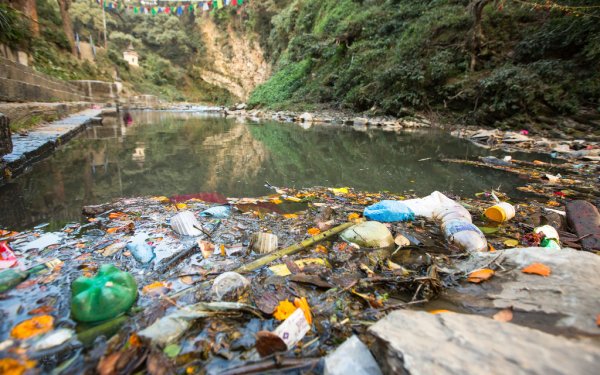
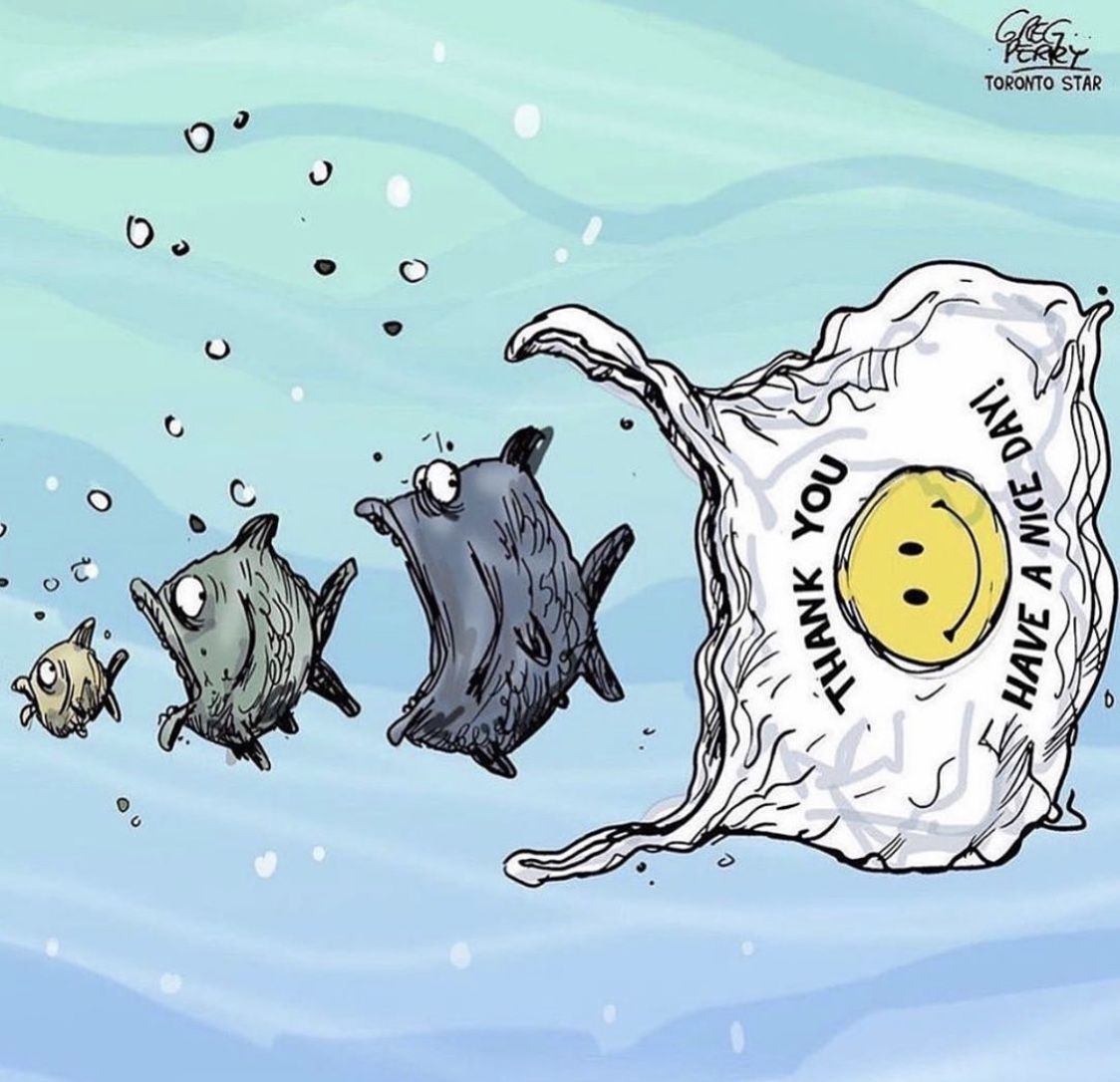
Besides,the use of plastic bags is considered as one of the great issues that humans are facing in their contemporary life.
Cities such as China have banned the use of plastics.Bangladesh and India have only banned the use and sale of polythene bags,
which basically have a thickness of fewer than 50 microns.
1.Plastic bags pollute not only our water but also our land.
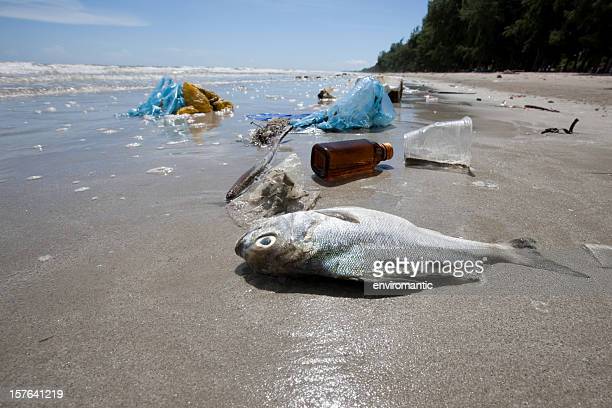
Plastic bags are usually lightweight, and as such,they can travel very long distances by either water or wind.
The wind blows these plastic bags and trashes a whole area.These litters get caught up in between trees, fences,
and floats in water bodies, thus moving to the world’s oceans.
2.The plastic bags are made from non-renewable sources and on this account,highly contribute to climate change.
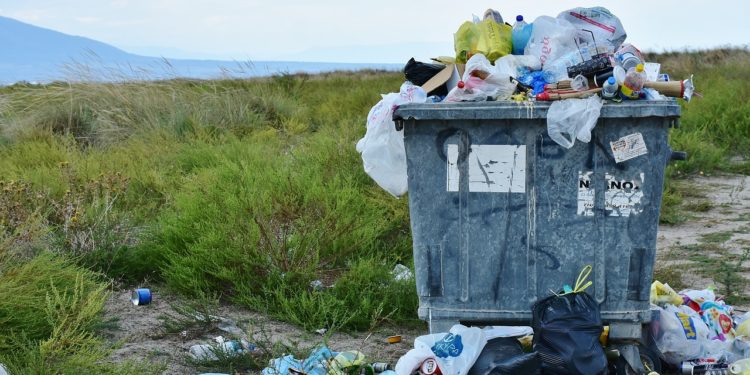
Most of the plastic is made of polypropylene, which is a material manufactured from petroleum and natural gas.
All of the materials are non-renewable fossil fuel-based materials, and through their extraction and even production,
greenhouse gases are created, which further contribute to global climate change.
3.A lot of energy is used in producing these bags.
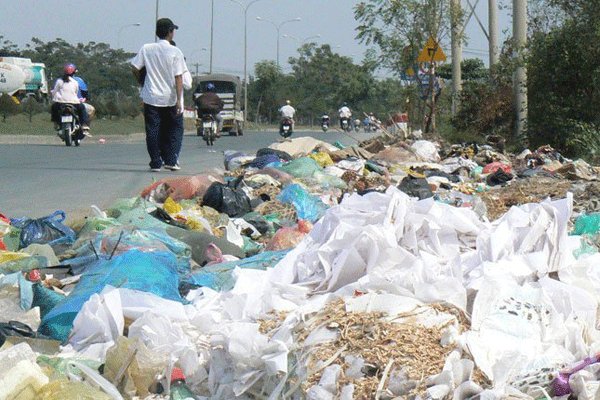
The total amount of energy required to drive a car for one kilometer or 0.5 miles is the equivalent energy required
to produce nine plastic bags. It is not rational that these non-renewable resources are used to make plastic bags
when the typical useful life of each and every plastic bag is around 12 minutes.
4.Plastic bags do not degrade.
In truth, petroleum-based plastic bags never degrade. Instead of the plastic degrading,
it is broken down into small tiny pieces that are swept down and end up in the oceans,
which are then consumed by wildlife. Currently,approximately 46,000-1,000,000 plastic
fragments are floating within every square mile of the globe’s oceans.
5.Plastic bags are toxic.
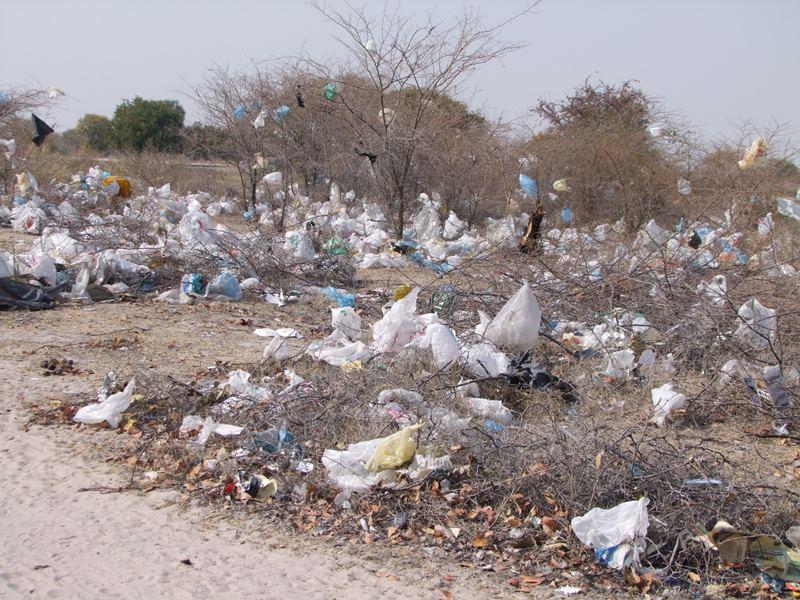
The plastic bags are filled with toxic, harmful chemicals that include estrogen-like substances.
An Environmental Health Perspectives report disclosed that the plastic has hormone-mimicking qualities,
and the plastic products released chemicals that mimicked estrogen.
This is dangerous because it means that disrupt how hormones,such as estrogen and others, behave in our bodies,
causing a hormonal imbalance that can have severe effects on our health.
6.Plastic bags are harmful to wildlife and marine life.
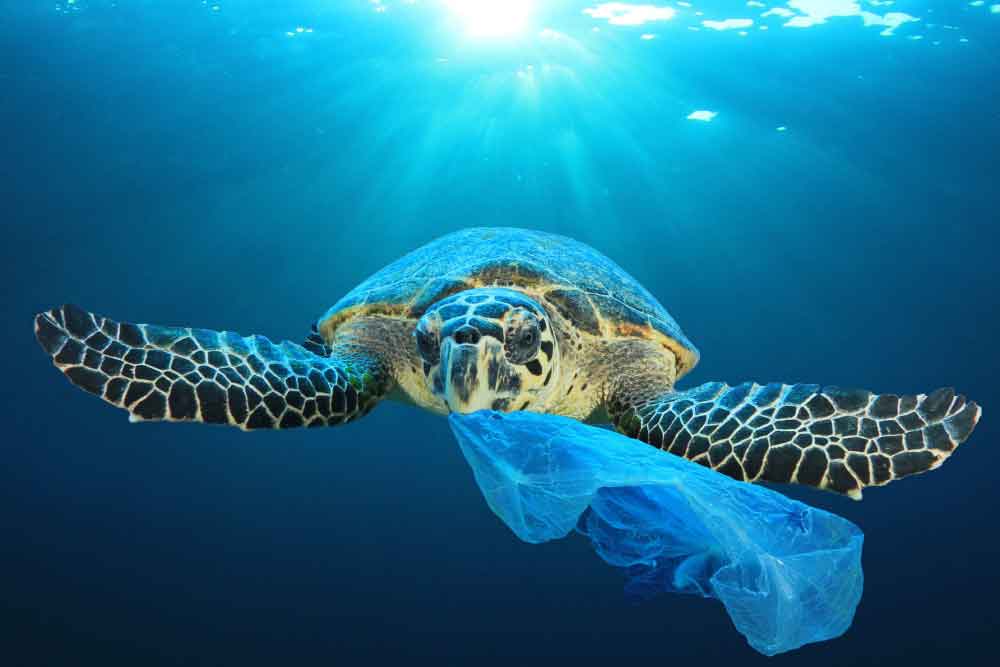
Birds, animals, and marine life such as sea turtles and fish often mistake the plastic bag and other plastic materials
for food and consume them.What happens once they consume these plastic materials is that their digestive system gets congested,
leading to the development of health infections and death due to suffocation.The animals may also become easily
entangled inside the plastic.A study found that almost 35 percent of turtle deaths are caused by the animals ingesting plastic,
Green Tumble reports.As per ABC News reports, a 2008 crocodile autopsy in Australia found 25 bags in its stomach.According to
a report by National Geographic,nearly every single seabird is eating plastic,as plastic that’s thrown away is found in 90
percent of them.As the Ellen MacArthur Foundation reports, if we don’t slow down the production and waste of plastic bags,
the future looks grim: by the year 2050, there will be more plastic in the ocean than fish.
7.Plastic bags are harmful to human health.
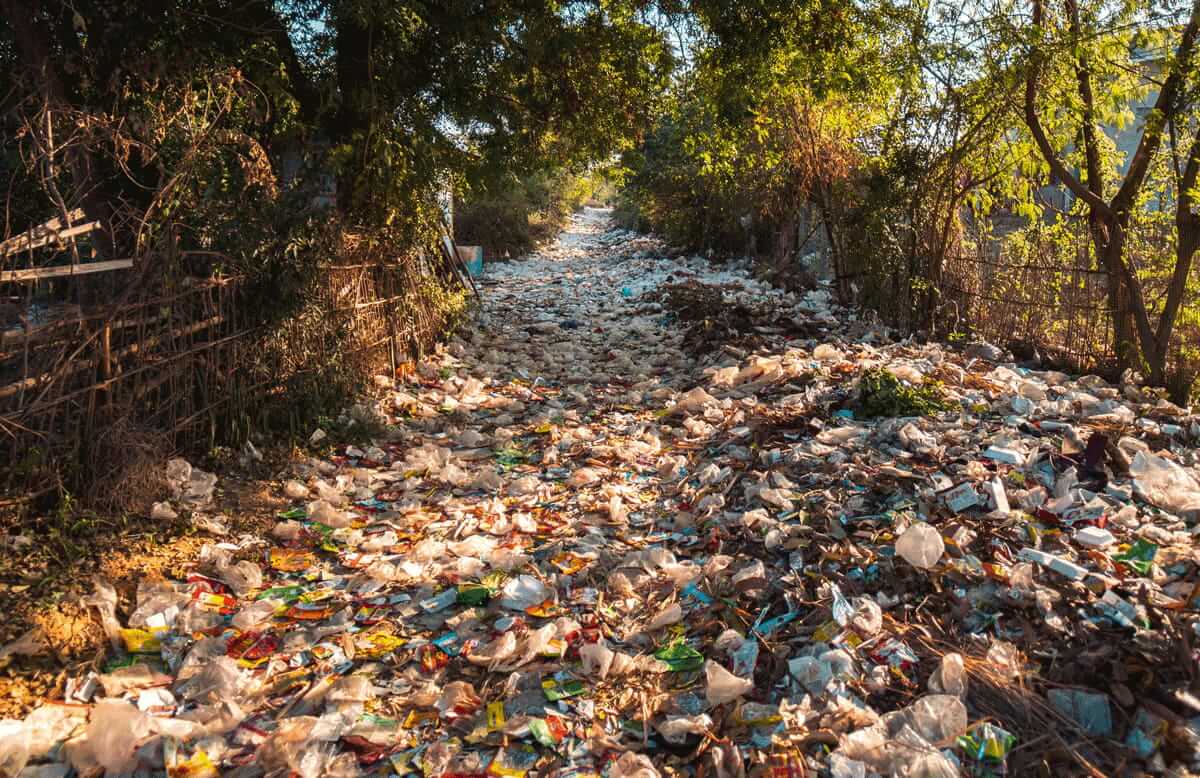
There are some chemicals from the plastic bags which can disrupt the normal functioning of hormones in the body.
Most plastic fragments in the oceans like plastic bags have some pollutants such as
PCBs (polychlorinated biphenyl) together with PAHs (Polycyclic aromatic hydrocarbons),
which are hormone-disrupting.Once the marine animals consume these chemicals,
they move through the food web then later into the humans who consume fish together with other marine animals.
The chemical materials bio-accumulates in the sea animals and fish system as they are exposed to them in the ocean waters.
When humans prepare them, they consume all these chemicals affecting their healths.
They could develop cancers or other serious conditions.
8.Plastic bags are expensive and hard to clean or remove from the environment.
The cost of plastic bag cleanup is around 17 cents per bag; thus, on average,
the taxpayers end up paying about $88 each year just on plastic bag waste.
Cities and other jurisdictions spend millions of dollars each year to maintain the landfills.
Therefore, taxpayers are spending their money on the storage of plastic bags forever.
These plastic bags also cost 3-5 cents each. Thus,the plastic considered free is not free,after all.
Individuals pay a lot to purchase them and even for reusing them. For this reason, plastics should simply be banned.
9.Plastic bags have external costs.
Several costs are attributed to the production of plastic bags.
A prime example is a production and environmental costs.
10.Plastic gags consumed in extremely high volumes.
One of the biggest problems with plastic carryout bags is the huge volume of bags being used.
In 2008,according to the U.S. Dept. of Commerce, the United States consumed 102.1 billion “polyethylene retail carrier bag” (PRCB’s)
in one year what we call plastic carryout bags.According to the U.S. Census Bureau,
every household in the nation used approximately 885 plastic bags per year or 17 plastic bags per week.
Since one grocery bag sized reusable bag will hold up to four plastic bags of goods when packed properly,
only four reusable bags are needed to eliminate those 17 plastic bags per week.
If every U.S. household used four reusable bags each week,102 billion plastic bags could be eliminated.